Is a toilet blockage always a quick fix?
An isolated obstruction can be straightforward, but a damaged sewer line or shared blockage requires a different scope. We assess the symptoms and access before describing the work needed.
When should I ask about blocked toilets?
A bowl that rises instead of flushing normally; Water that drains away very slowly; Gurgling from another fixture when you flush; A toilet that repeatedly blocks after normal use. Describe which of these you have noticed when calling.
What can cause the symptoms this service investigates?
Excess paper, wipes or a foreign object can obstruct the toilet or its connection. When other fixtures are affected, the restriction may be farther down the sewer. A poor flush can also involve the cistern or fixture, so the symptom does not always mean an underground blockage.
How does the team approach blocked toilets?
We ask what happened before the problem and check whether other fixtures drain. Appropriate toilet-clearing tools may be enough for an isolated obstruction. If the common line is affected, external access and further investigation can be required. Removal of the toilet or extra repair work is discussed before proceeding.
Which tools or materials might the work involve?
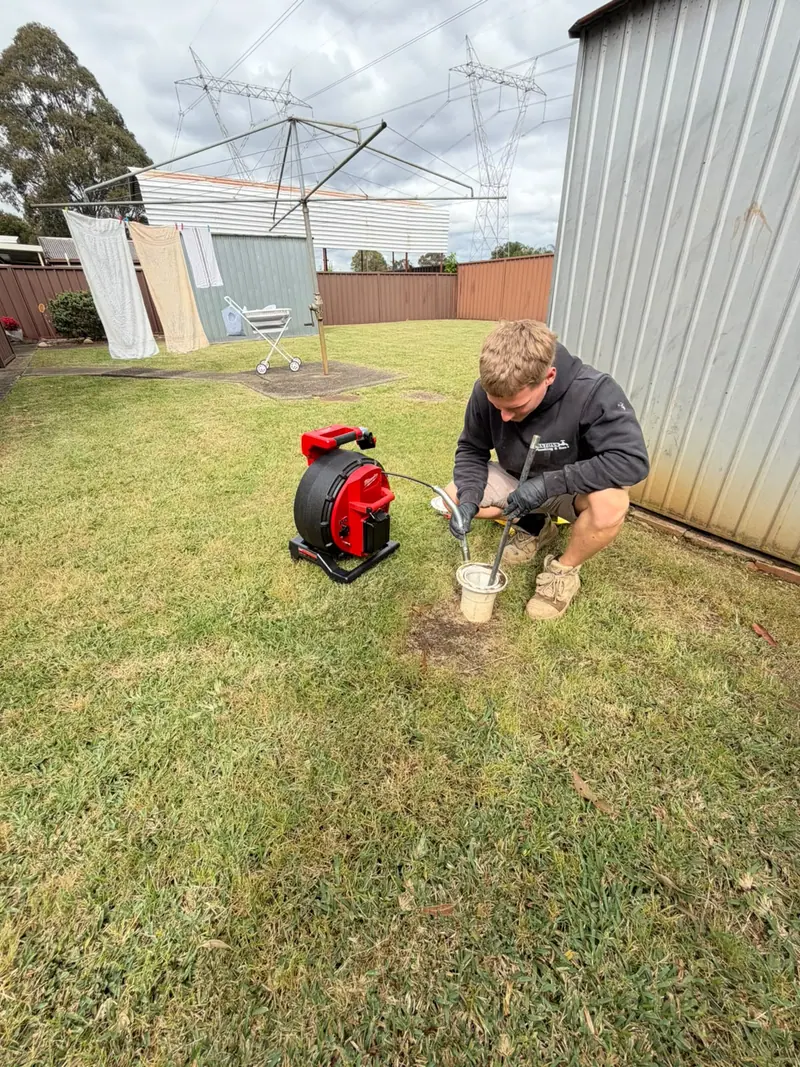
Suitable hand or mechanical clearing tools are selected to protect the fixture. A deeper blockage may call for professional jetting and CCTV through an appropriate access point. If the pan must be removed, compatible seals and connectors are checked when reinstating it.
What are the practical limits of this approach?
Repeated flushing can turn a partial blockage into an overflow. Do not force improvised metal tools into the pan. If chemicals have already been added, tell the plumber before anyone works on the fixture.
What can I do to help prevent further trouble?
Flush toilet paper and bodily waste only. Keep children’s toys and bathroom products away from the bowl. Seek an assessment if normal use repeatedly causes trouble.
How do I book blocked toilets on the Northern Beaches?
Call 0493 824 176 with your full address, symptoms and access information. Mention any active overflow, previous work and shared drains. We confirm the available response and proposed next step.
What charges and scope should be confirmed before work begins?
Ask about attendance, initial diagnosis and the proposed work. If findings call for additional inspection, a repair or reinstatement, the extra scope and charges should be explained and agreed before proceeding.
Can this service be arranged for a strata property or business?
Discuss the site and affected system when booking. Provide an authorised contact, building access instructions and any reporting requirements. The team confirms what is suitable for the actual property.
Is an immediate appointment guaranteed?
No. Urgent calls are welcome 24/7, but attendance depends on current availability, the address, required equipment and safe access. Confirm timing directly with the team.
Will I need to approve a repair if damage is found?
A repair is a separate decision from clearing or investigation. Ask to have the findings, proposed repair length, method and limitations explained before agreeing to additional work.
Should I tell the plumber about drain chemicals already used?
Yes. Give the product name, where it was used and approximately when. This information helps the plumber plan the work safely. Do not add more products or mix drain chemicals while arranging help.
Can I ask for camera footage or a written report?
Yes. Mention this when booking, especially for strata or repair planning. Confirm what can be recorded, which sections can be inspected and whether footage or reporting is included in the agreed scope.
Do I need to uncover or open the drain before the visit?
No. Describe any known access points without lifting heavy covers or disturbing pipework. Keep the route accessible where safe and tell us about buried openings, landscaping or restricted areas.
Can a drain problem be assessed from photographs alone?
Photos can help explain visible symptoms and access, but they cannot establish the condition of hidden pipework. Ask the team how to share relevant information. A recommendation for clearing or repair may still require an on-site assessment.