Should I keep flushing to see whether it clears?
No. Further flushing can add water to an obstructed line and worsen the overflow. Stop using the affected fixtures and call with details of what is backing up.
When should I ask about emergency blocked drains?
Sewage escaping from an outdoor gully; A toilet rising when another fixture drains; Several fixtures backing up together; Wastewater spreading towards rooms or walkways. Describe which of these you have noticed when calling.
What can cause the symptoms this service investigates?
An obstruction downstream can stop several fixtures from draining. Roots, compacted wipes and other debris are possible causes, but similar symptoms can also come from pipe damage or a problem beyond the property connection. The pattern of affected fixtures helps narrow the investigation.
How does the team approach emergency blocked drains?
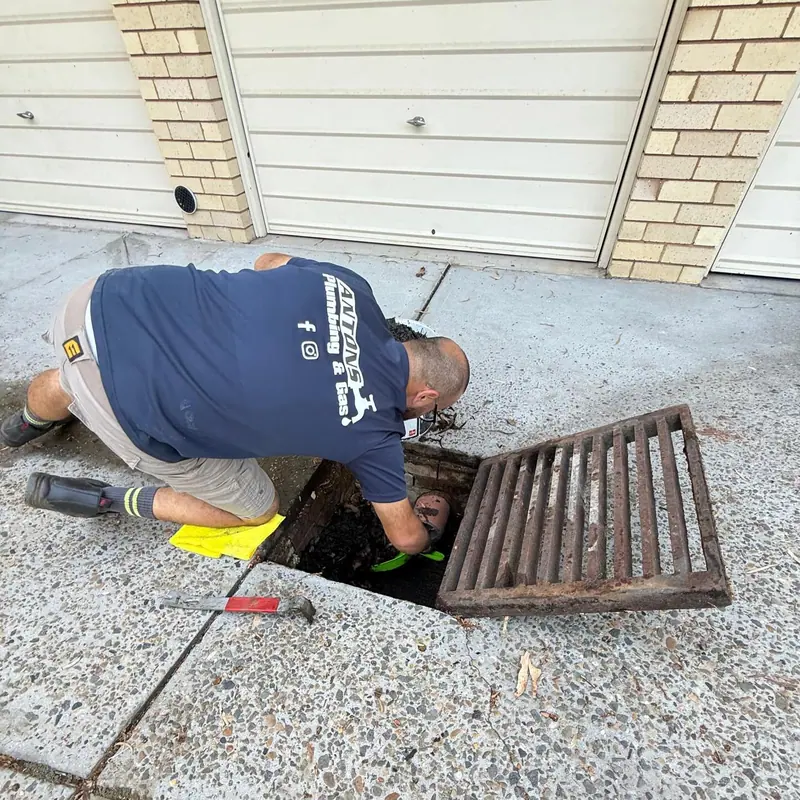
We begin with the active overflow, the affected fixtures and safe access. After assessing the line, the plumber explains the proposed clearing work. Where suitable, we restore flow with jetting or mechanical equipment, then inspect further if the cause remains uncertain or the fault has returned. Any repair is discussed separately.
Which tools or materials might the work involve?
Drain cameras, suitable jetting nozzles and mechanical clearing tools are selected for the access and pipe condition. Protective equipment and control of the work area matter when wastewater is present. An accessible inspection opening can reduce the need to disturb finished surfaces.
What are the practical limits of this approach?
A collapsed pipe cannot simply be jetted back into shape. Heavy rain may also affect the public network, so diagnosis needs to distinguish a private blockage from a wider fault. Attendance timing is confirmed when booking.
What can I do to help prevent further trouble?
Stop using affected fixtures while sewage is backing up. Keep children and pets away, do not open sewer covers or enter pits, and tell the plumber if any drain chemicals have been used.
How do I book emergency blocked drains on the Northern Beaches?
Call 0493 824 176 with your full address, symptoms and access information. Mention any active overflow, previous work and shared drains. We confirm the available response and proposed next step.
What charges and scope should be confirmed before work begins?
Ask about attendance, initial diagnosis and the proposed work. If findings call for additional inspection, a repair or reinstatement, the extra scope and charges should be explained and agreed before proceeding.
Can this service be arranged for a strata property or business?
Discuss the site and affected system when booking. Provide an authorised contact, building access instructions and any reporting requirements. The team confirms what is suitable for the actual property.
Is an immediate appointment guaranteed?
No. Urgent calls are welcome 24/7, but attendance depends on current availability, the address, required equipment and safe access. Confirm timing directly with the team.
Will I need to approve a repair if damage is found?
A repair is a separate decision from clearing or investigation. Ask to have the findings, proposed repair length, method and limitations explained before agreeing to additional work.
Should I tell the plumber about drain chemicals already used?
Yes. Give the product name, where it was used and approximately when. This information helps the plumber plan the work safely. Do not add more products or mix drain chemicals while arranging help.
Can I ask for camera footage or a written report?
Yes. Mention this when booking, especially for strata or repair planning. Confirm what can be recorded, which sections can be inspected and whether footage or reporting is included in the agreed scope.
Do I need to uncover or open the drain before the visit?
No. Describe any known access points without lifting heavy covers or disturbing pipework. Keep the route accessible where safe and tell us about buried openings, landscaping or restricted areas.
Can a drain problem be assessed from photographs alone?
Photos can help explain visible symptoms and access, but they cannot establish the condition of hidden pipework. Ask the team how to share relevant information. A recommendation for clearing or repair may still require an on-site assessment.